Austria
 Belgium
 Bulgaria
 Croatia
 Czech Republic
 Denmark
 Estonia
 Finland
 France
 France (Corse)
 Germany
 Greece
 Hungary
 Ireland
 Latvia
 Lithuania
 Luxembourg
 Netherlands
 Poland
 Portugal
 Romania
 San Marino
 Slovakia (Slovak Republic)
 Slovenia
 Spain (Baleares)
 Spain (Continental)
 Sweden
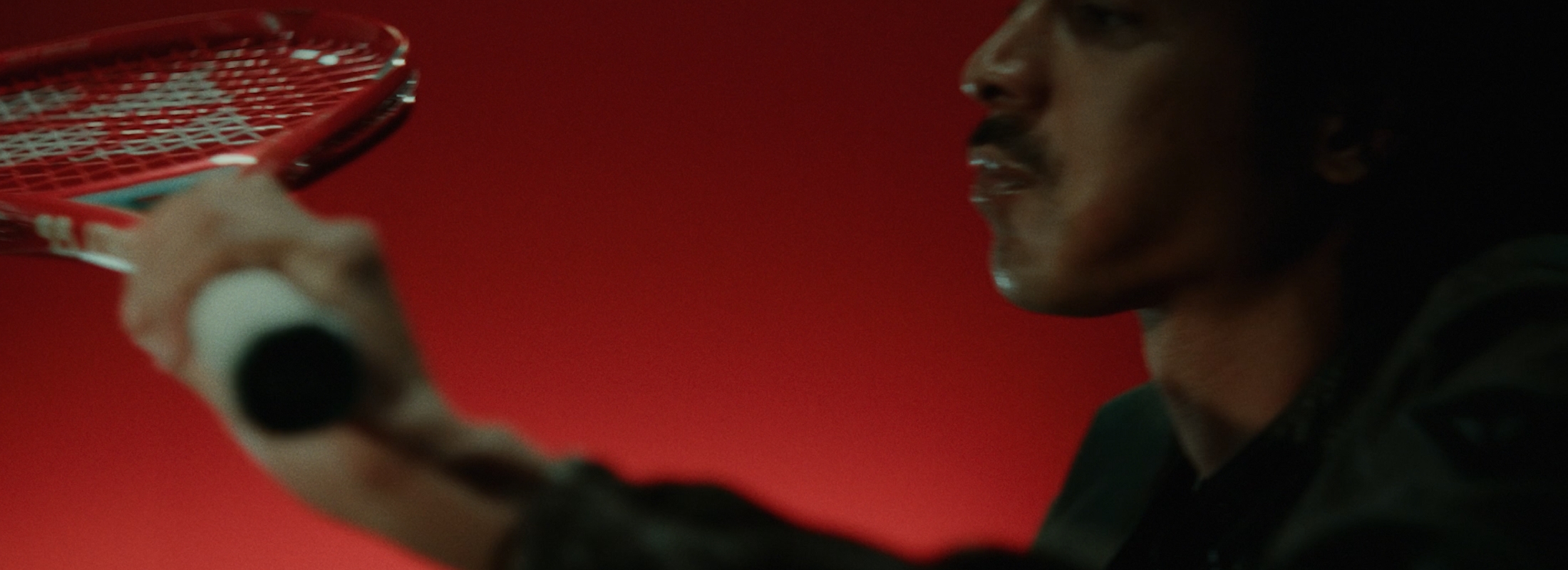
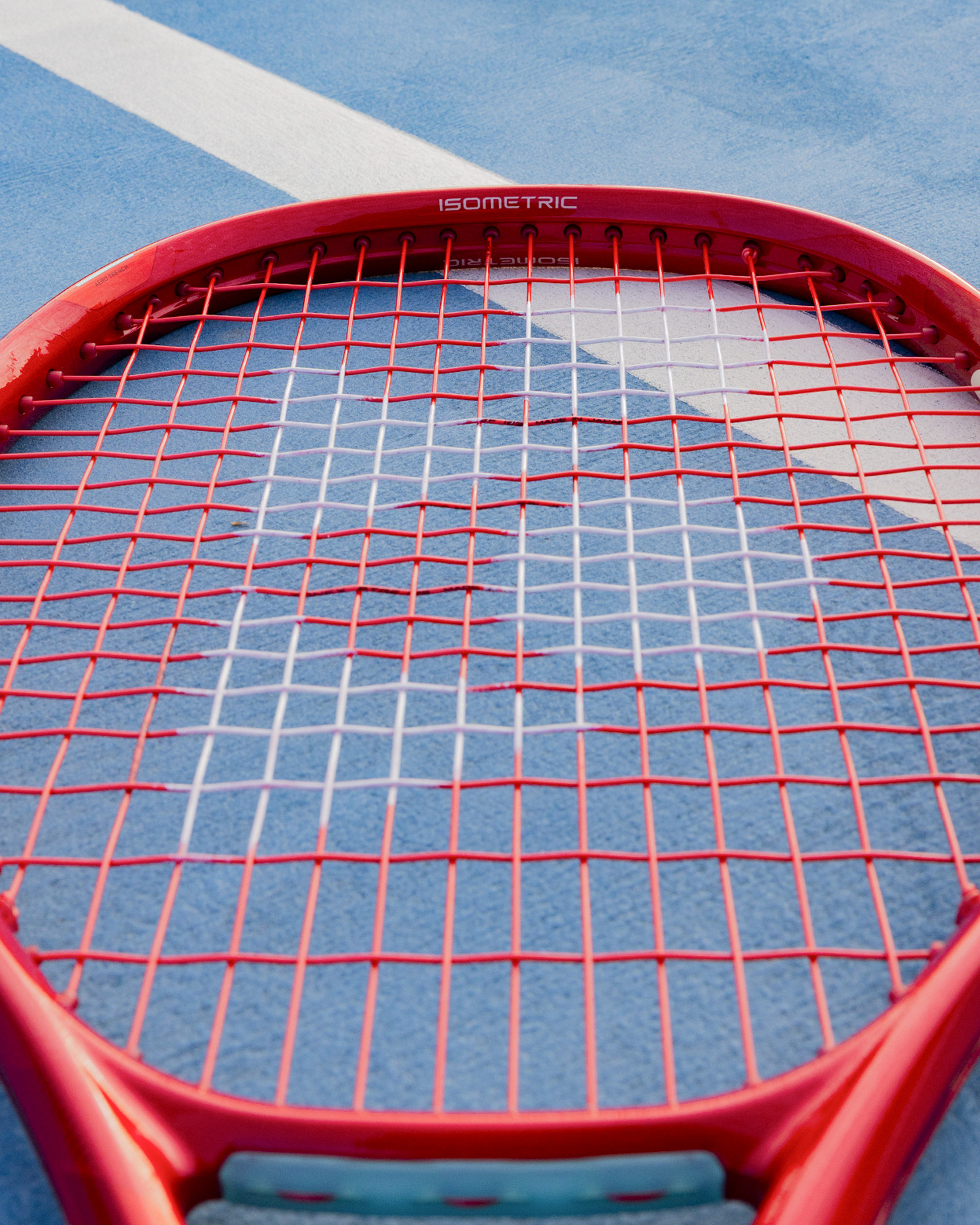
VCORE has always been a racquet with a very clear identity: spin, high trajectory, aggressive play. A line that over the years has appealed to a specific type of player. With the 2026 version, Yonex has made specific choices that are immediately noticeable on the court. It's not a simple restyling and it's not a racquet for everyone. This new generation of VCORE introduces a more forgiving response, easier ball release, and a less dry feel than previous generations, while maintaining the character that has made this family recognizable. It's a different VCORE, one that must be understood properly.
Reading time: 8 minutes - Published on: 09 January, 2026

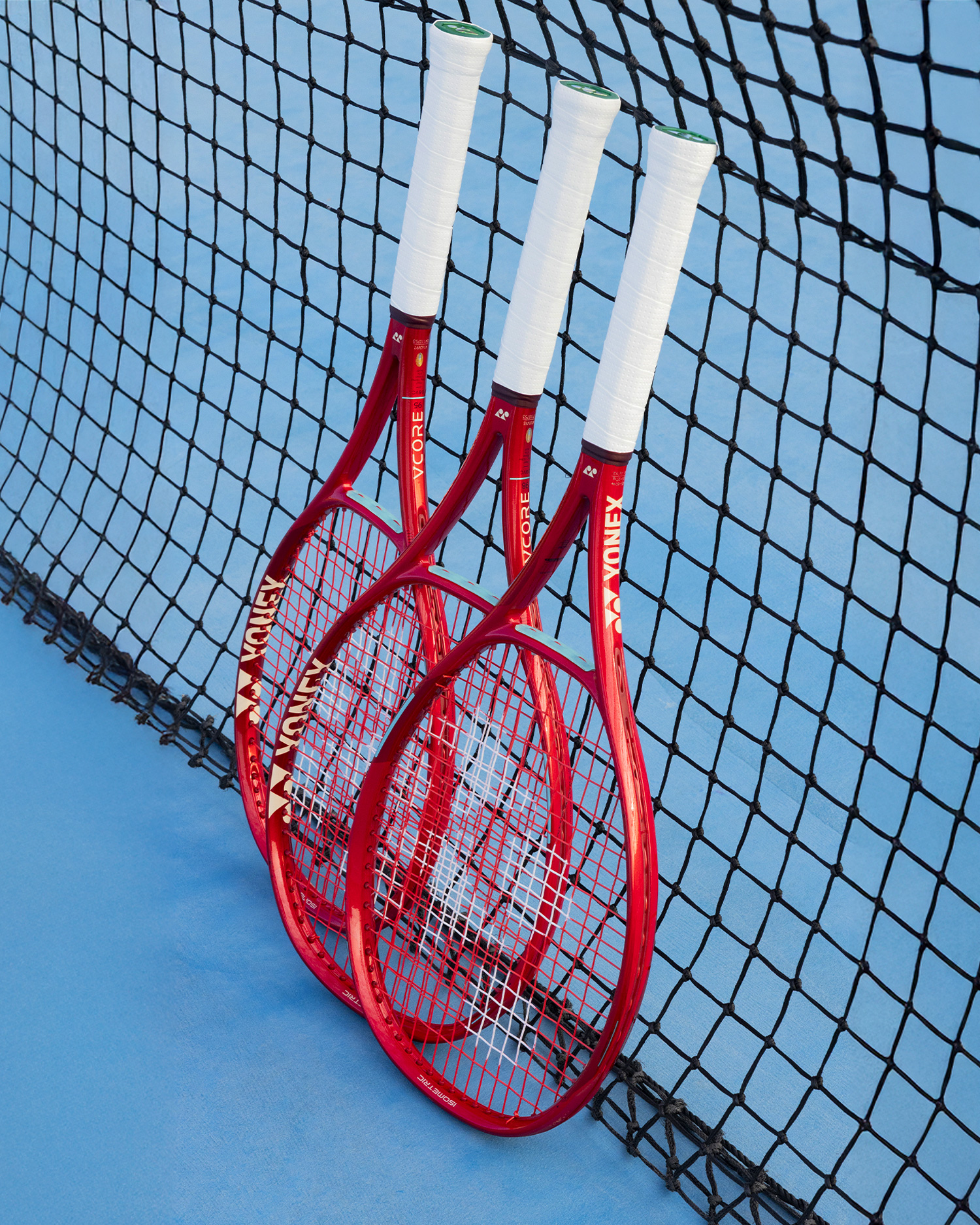
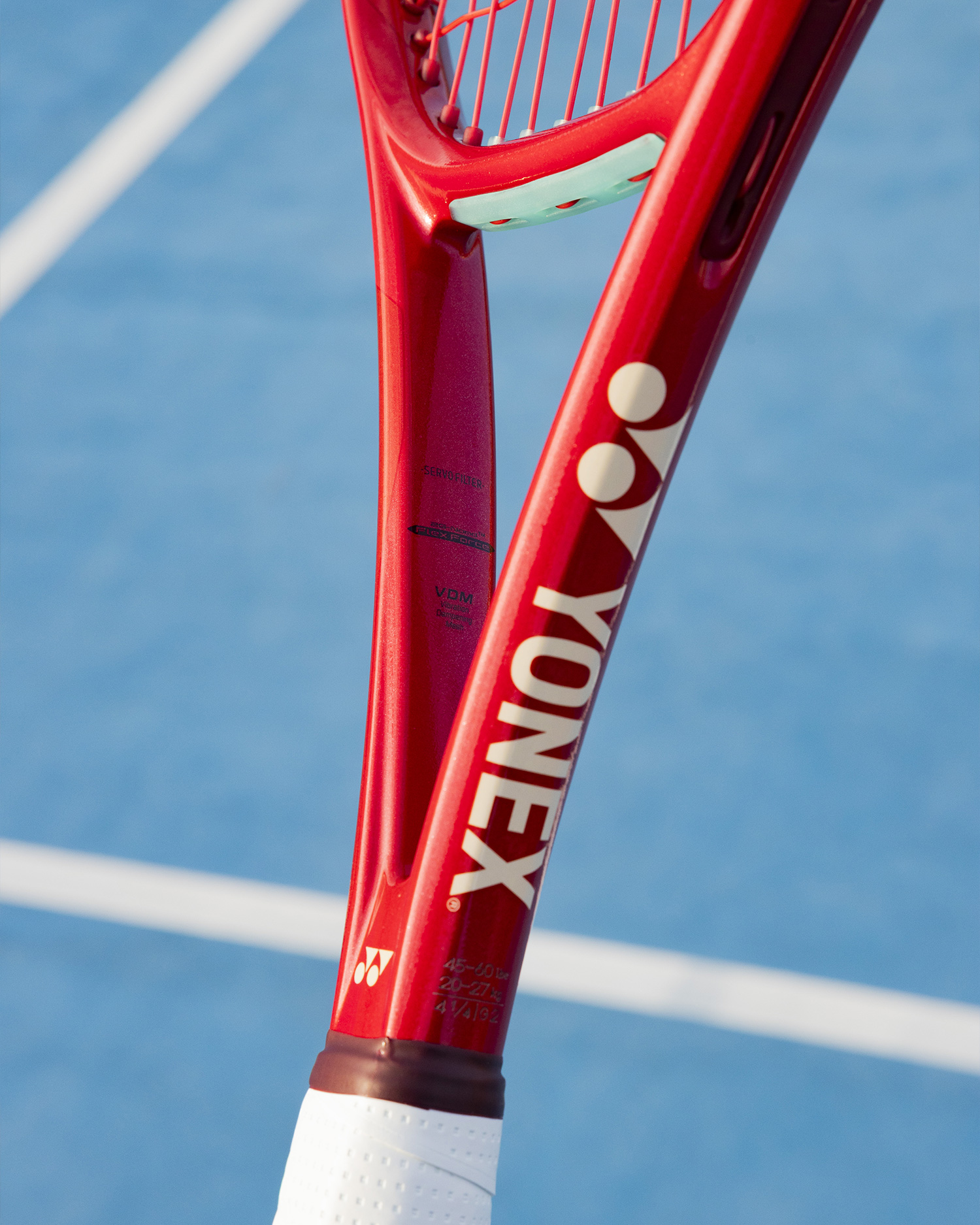
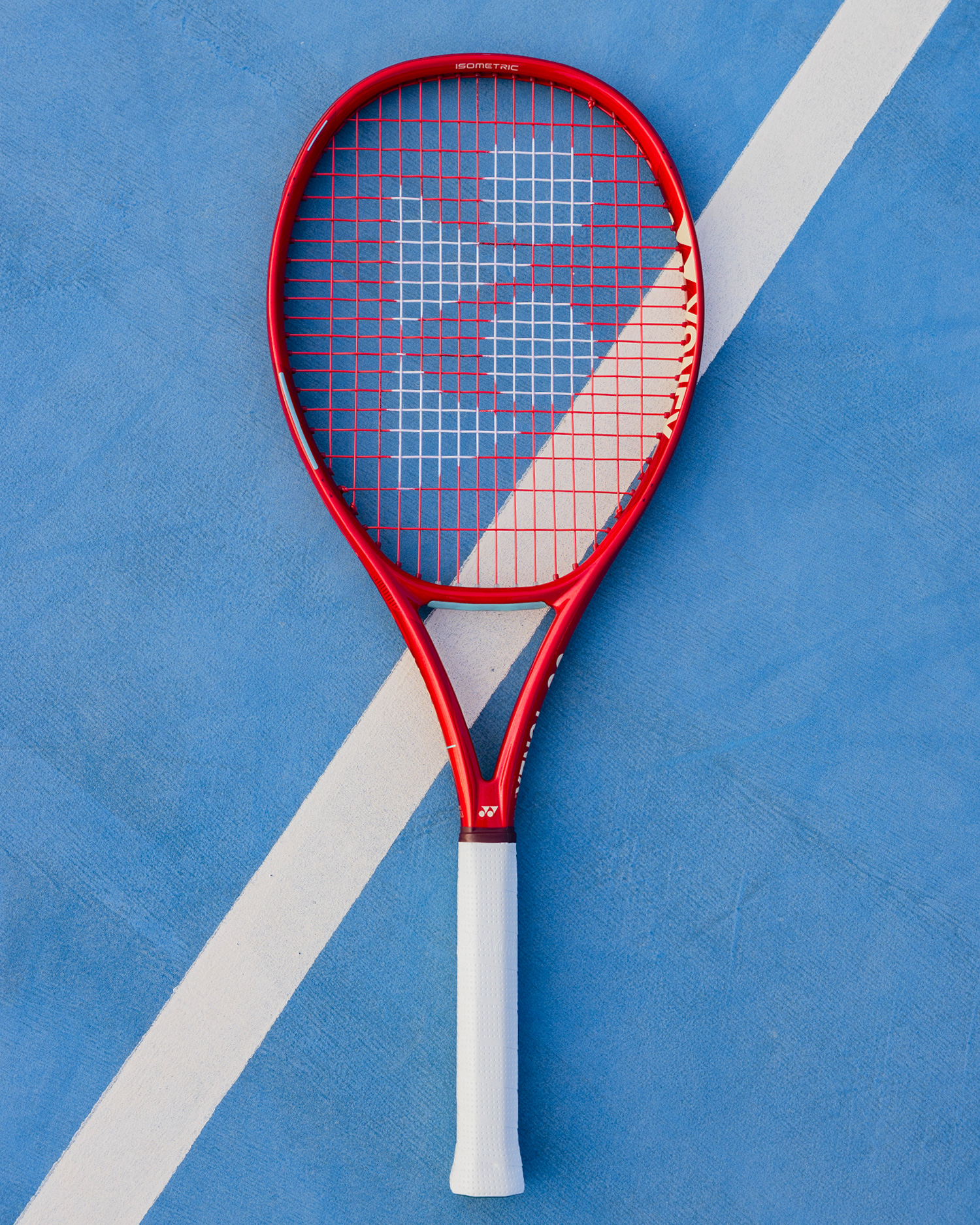
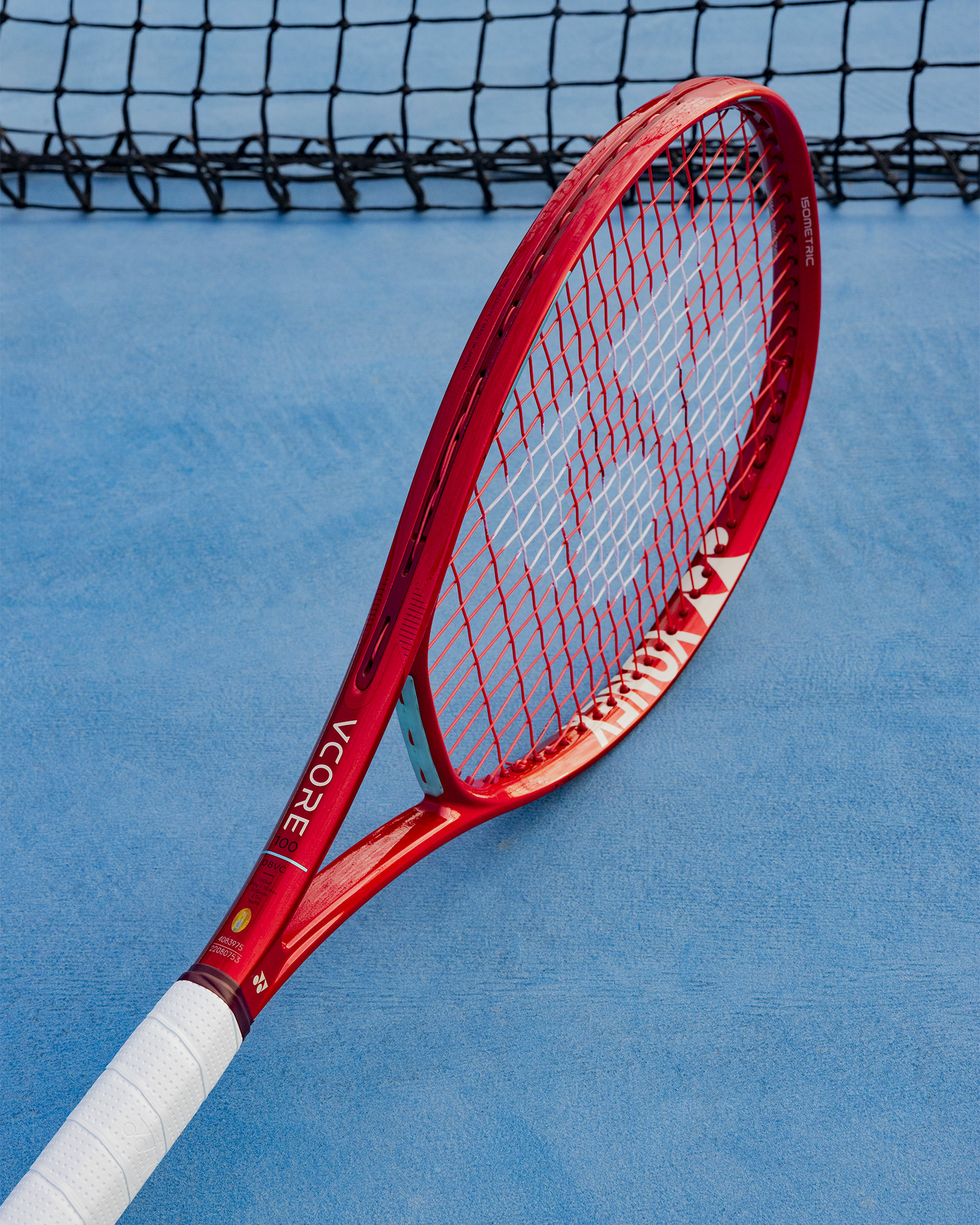
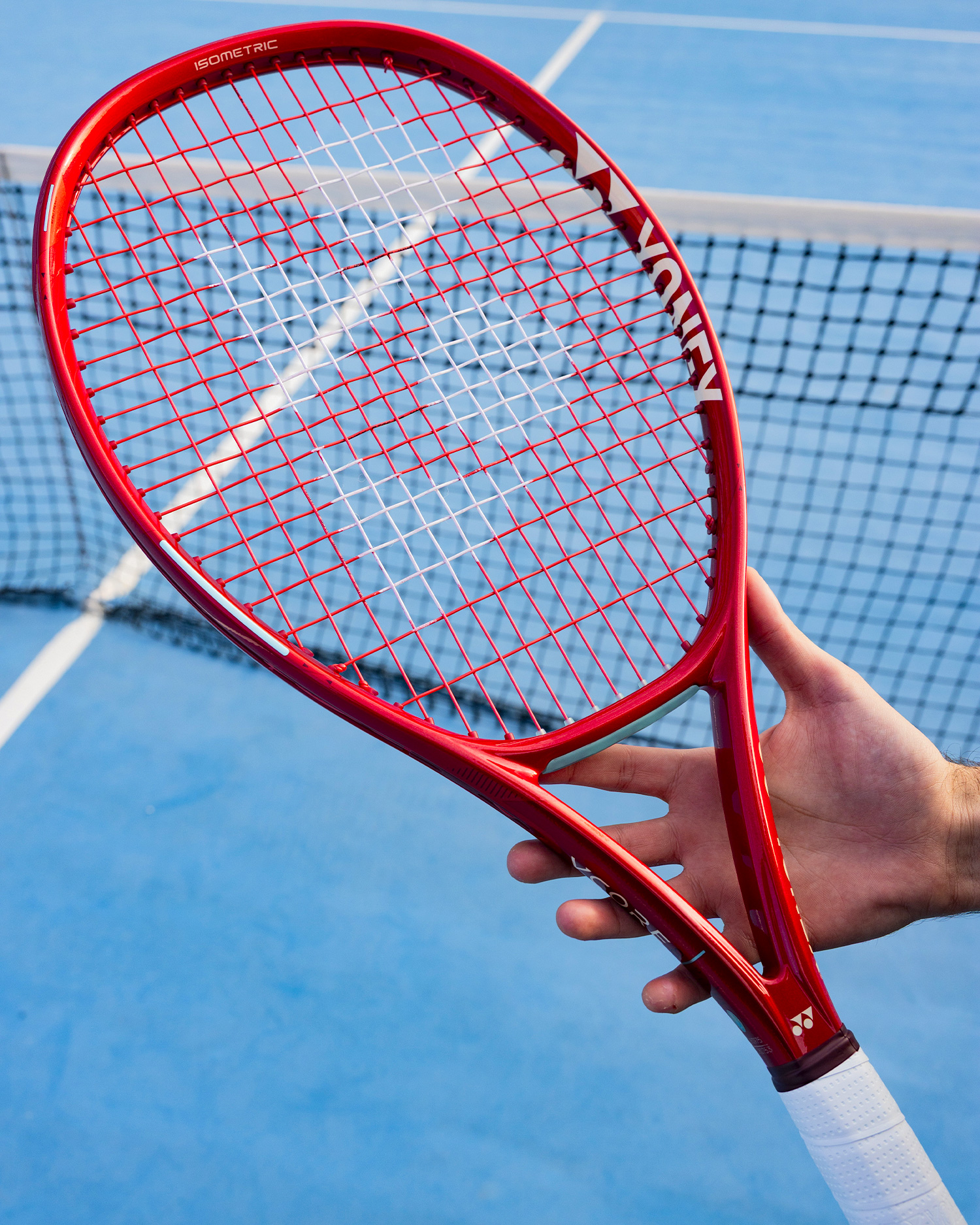
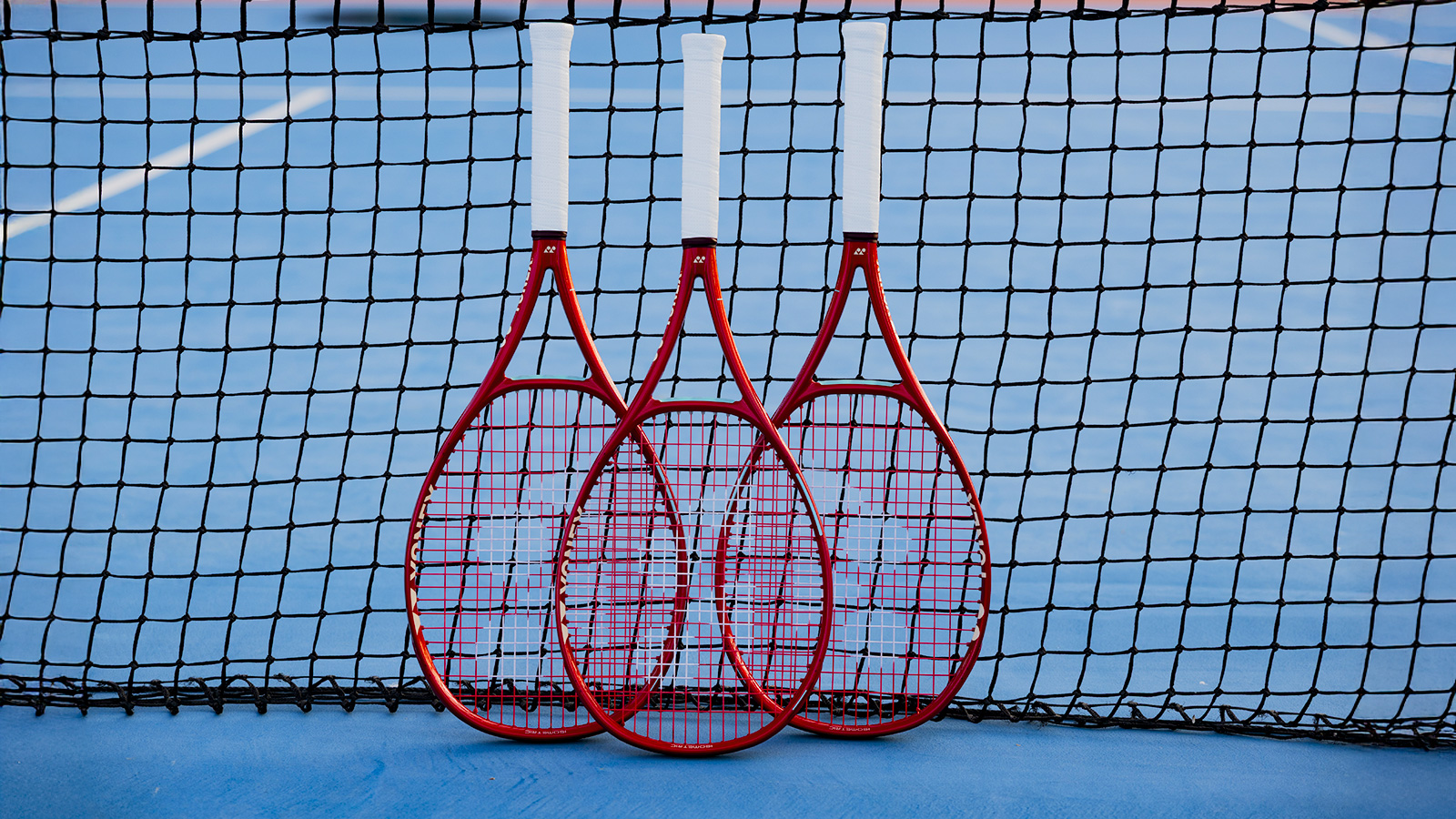
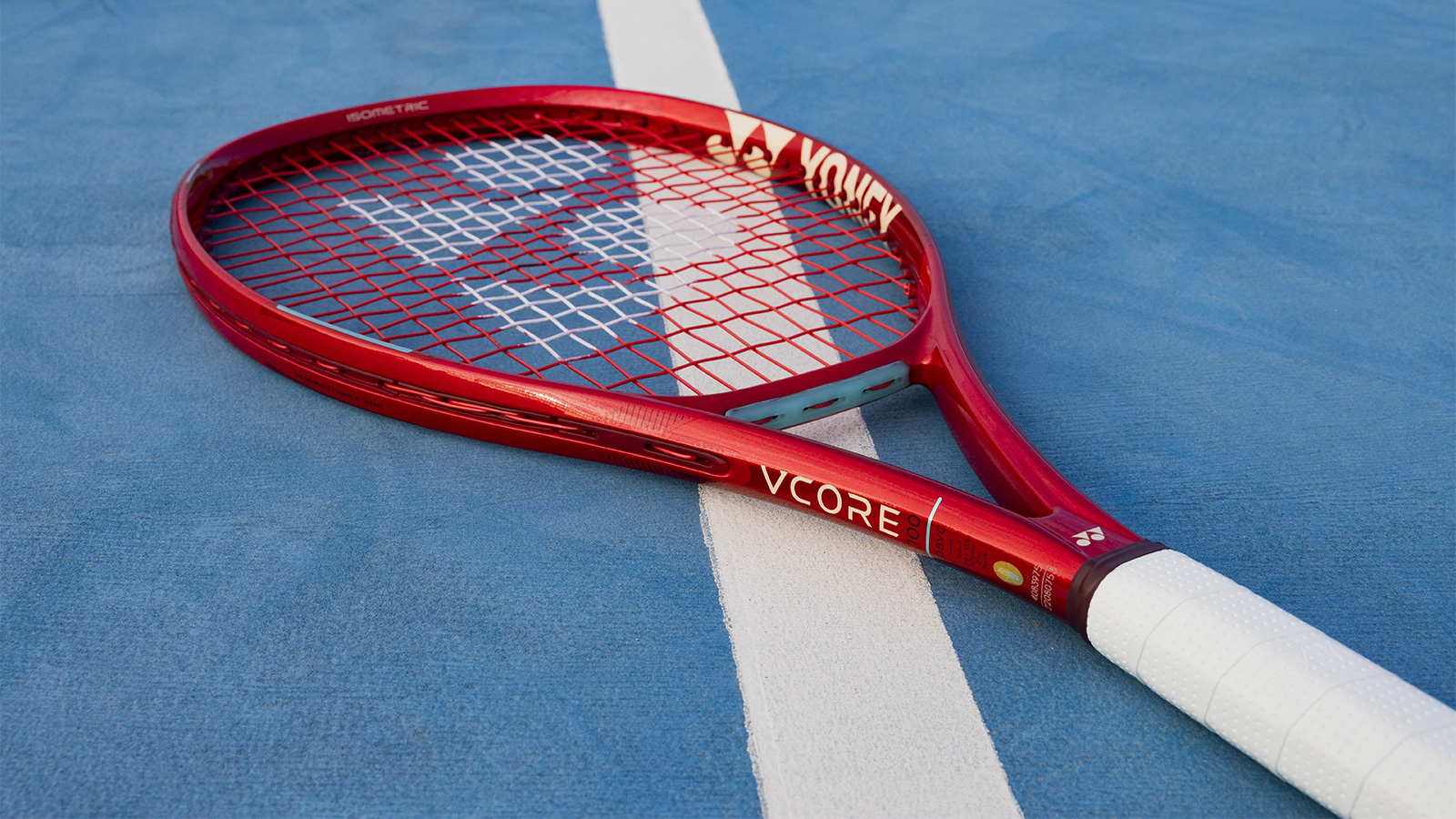
The Yonex VCORE range The right model for every player
From the most technical frames to the most maneuverable versions, the VCORE family maintains a common identity based on high spin, stability and solid impact feel, offering targeted solutions for different levels and playing styles.
VCORE 95 (310gr)
Compact and highly precise frame, designed for more experienced and faster players looking for maximum control, sensitivity and refined spin.
| Head: | 95” |
| Weight: | 310 gr |
| Balance: | 310 mm |
| Length: | 27" |
| String diagram: | 16x20 |
VCORE 98 Tour
The most solid and demanding version of the 98 range, ideal for high-level competitors who want absolute stability, ball weight and precision in the most aggressive shots.
| Head: | 98” |
| Weight: | 315 gr |
| Balance: | 320 mm |
| Length: | 27" |
| String diagram: | 16x19 |
VCORE 98 (305gr)
The most balanced model in the 98 line, perfect for competitive players who want an ideal mix of control, spin and maneuverability in every phase of the game.
| Head: | 98” |
| Weight: | 305 gr |
| Balance: | 315 mm |
| Length: | 27" |
| String diagram: | 16x19 |
VCORE 98+
The extended version for those looking for greater leverage, depth of ball and incisiveness on the serve, suitable for aggressive players who control the rallies from the baseline.
| Head: | 98” |
| Weight: | 305 gr |
| Balance: | 325 mm |
| Length: | 27" |
| String diagram: | 16x19 |
VCORE 98L (285gr)
Lighter and easier to maneuver, it is designed for advanced intermediate players looking for the feel of the VCORE 98 but with greater ease of play and less fatigue.
| Head: | 98” |
| Weight: | 285 gr |
| Balance: | 325 mm |
| Length: | 27" |
| String diagram: | 16x19 |
VCORE 100 (300gr)
The most iconic and versatile model, ideal for a wide range of competitive and advanced players looking for abundant spin, controlled power and great forgiveness.
| Head: | 100” |
| Weight: | 300 gr |
| Balance: | 320 mm |
| Length: | 27" |
| String diagram: | 16x19 |
VCORE 100D
Control-oriented version of the 100 series, it offers a more direct and stable response, perfect for players who prioritize precision without sacrificing spin.
| Head: | 100” |
| Weight: | 305 gr |
| Balance: | 315 mm |
| Length: | 27" |
| String diagram: | 16x20 |
VCORE 100+ (300gr)
Elongated frame that guarantees greater thrust and penetration of shots, ideal for those who want to maximize power, spin and service performance.
| Head: | 100” |
| Weight: | 300 gr |
| Balance: | 330 mm |
| Length: | 27.5" |
| String diagram: | 16x19 |
VCORE 100L (280gr)
The lightest of the 100 range, designed for intermediate and growing junior players looking for maneuverability, comfort and easy access to spin.
| Head: | 100” |
| Weight: | 280 gr |
| Balance: | 330 mm |
| Length: | 27" |
| String diagram: | 16x19 |
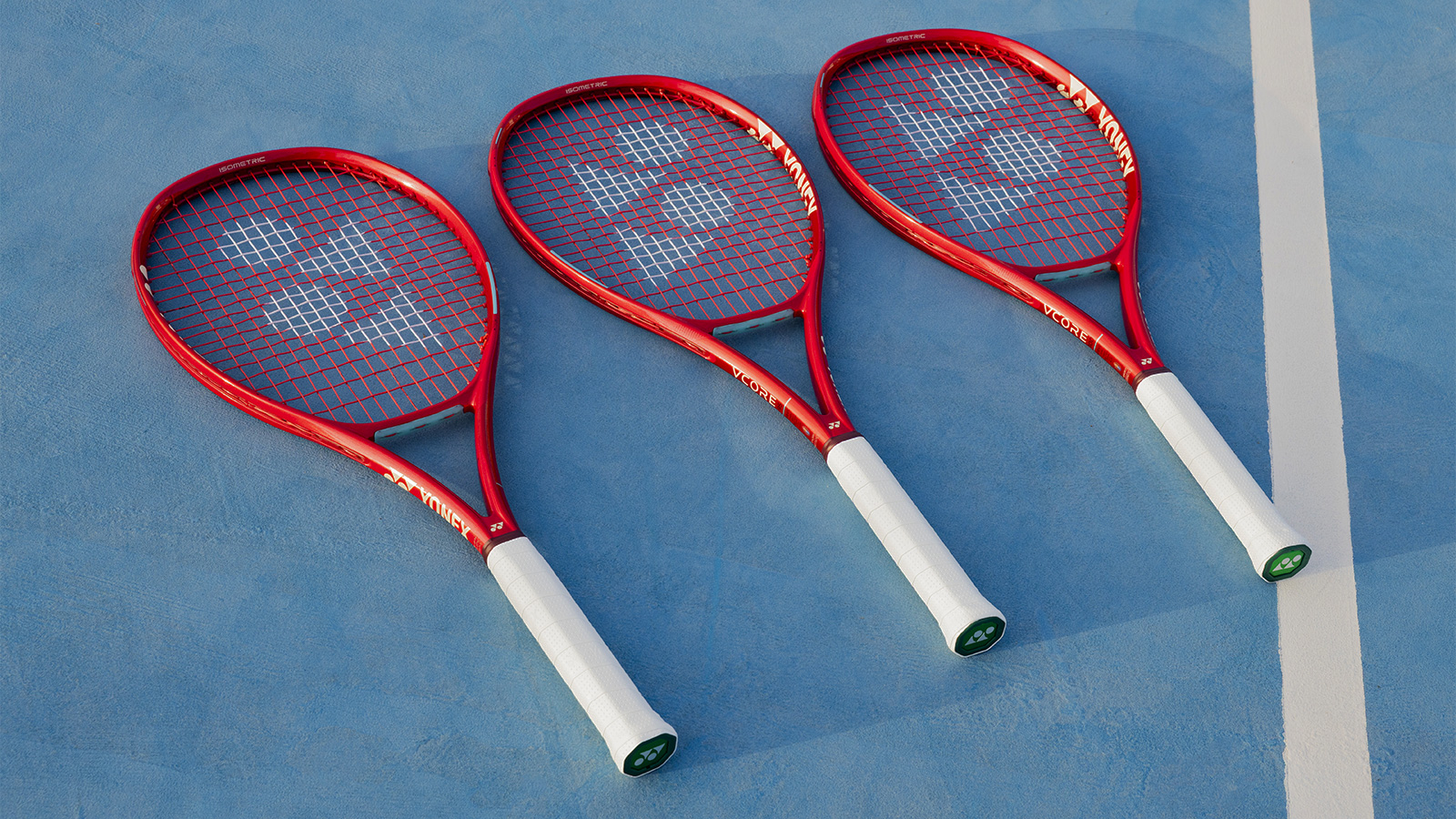
Yonex VCORE rackets
 YonexVCORE 95 Ruby RedYonex VCORE Tennis Racket€ 277,50 € 309,95
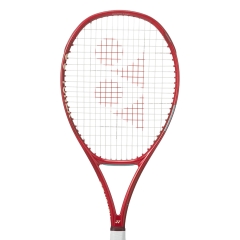 YonexVCORE 98 Ruby RedYonex VCORE Tennis Racket€ 244,90 € 309,95
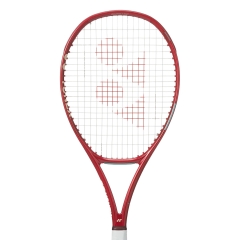 YonexVCORE 98+ Ruby RedYonex VCORE Tennis Racket€ 277,50 € 309,95
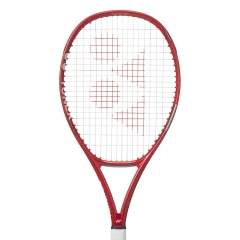 YonexVCORE 100 Ruby RedYonex VCORE Tennis Racket€ 244,90 € 309,95
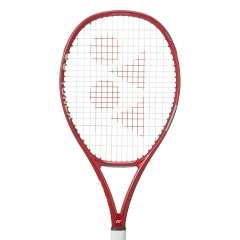 YonexVCORE 100+ Ruby RedYonex VCORE Tennis Racket€ 277,50 € 309,95
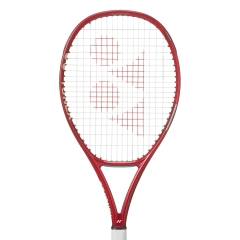 YonexVCORE 100L Ruby RedYonex VCORE Tennis Racket€ 239,90 € 299,95