


 Austria
 Belgium
 Bulgaria
 Croatia
 Czech Republic
 Denmark
 Estonia
 Finland
 France
 France (Corse)
 Germany
 Greece
 Hungary
 Ireland
 Latvia
 Lithuania
 Luxembourg
 Netherlands
 Poland
 Portugal
 Romania
 San Marino
 Slovakia (Slovak Republic)
 Slovenia
 Spain (Baleares)
 Spain (Continental)
 Sweden

Tennis racket strings can't correct a technical error: if you hit the ball poorly or are late in your swing, the result will be the same regardless of the type of strings used. However, when the technique is there but the game isn't responding as it should, it's often time to consider a string change.
Reading time: 3 minutes - Published on: 05 February, 2026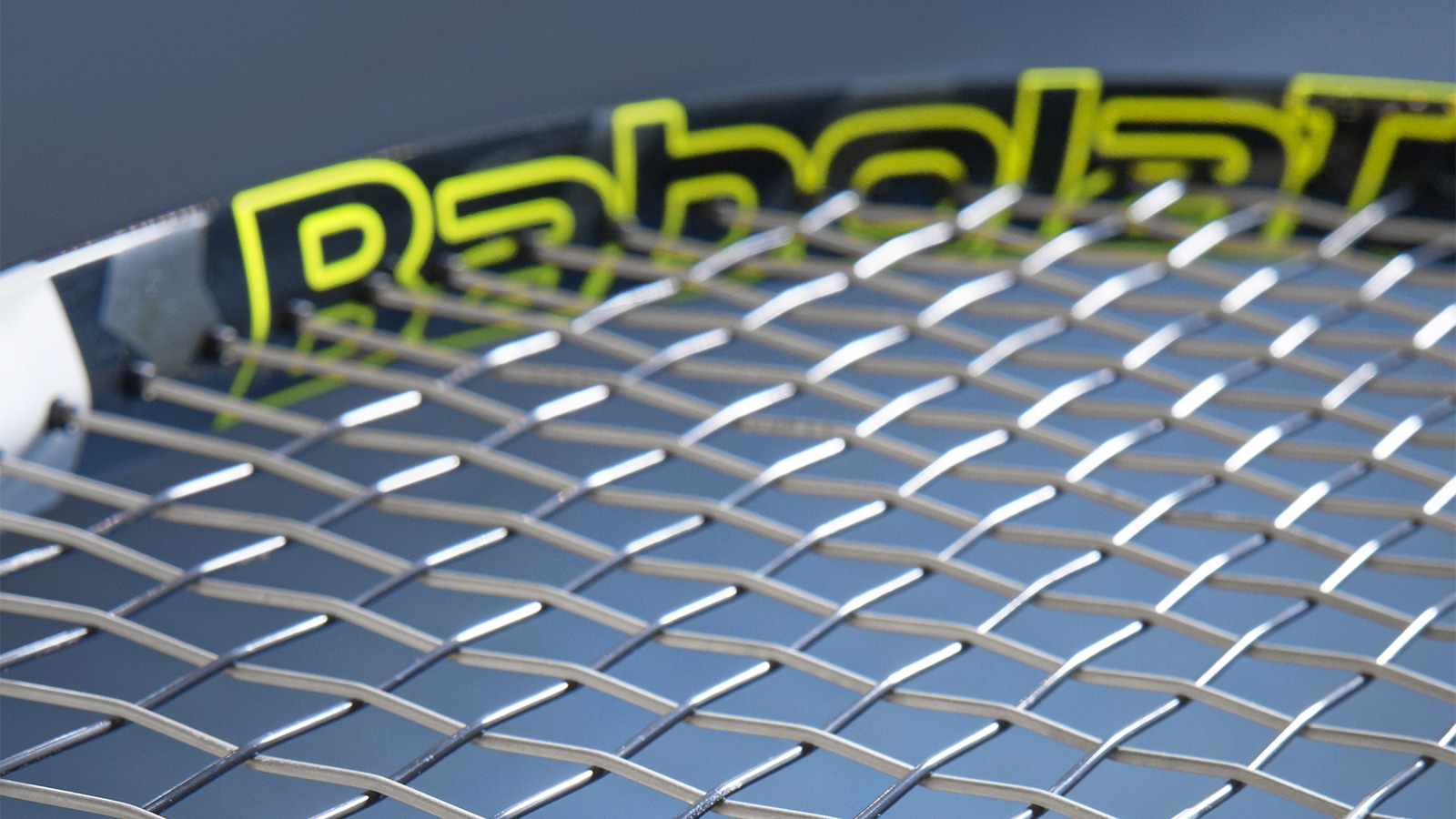
Changing the strings What is the right time?
If your stroke is technically smooth, but you experience these signs, your strings have lost their elasticity (even if they aren't broken):
- - Loss of control: on comfortable balls the ball slips away for no reason;
- - Fatigue: your arm gets more tired than usual or you feel sharp vibrations;
- - Feeling "empty": the impact is no longer sincere and you lose sensitivity;
- - Compensation: You have to slow down your arm or "hold" the shot to keep the ball in play.
Here's a mini practical test
Dribble at a medium pace. If you feel like you have to forcefully follow or shorten your swing to stay on the court, it's not a timing issue: the string is "dead."
What kind of string to choose based on how you actually play
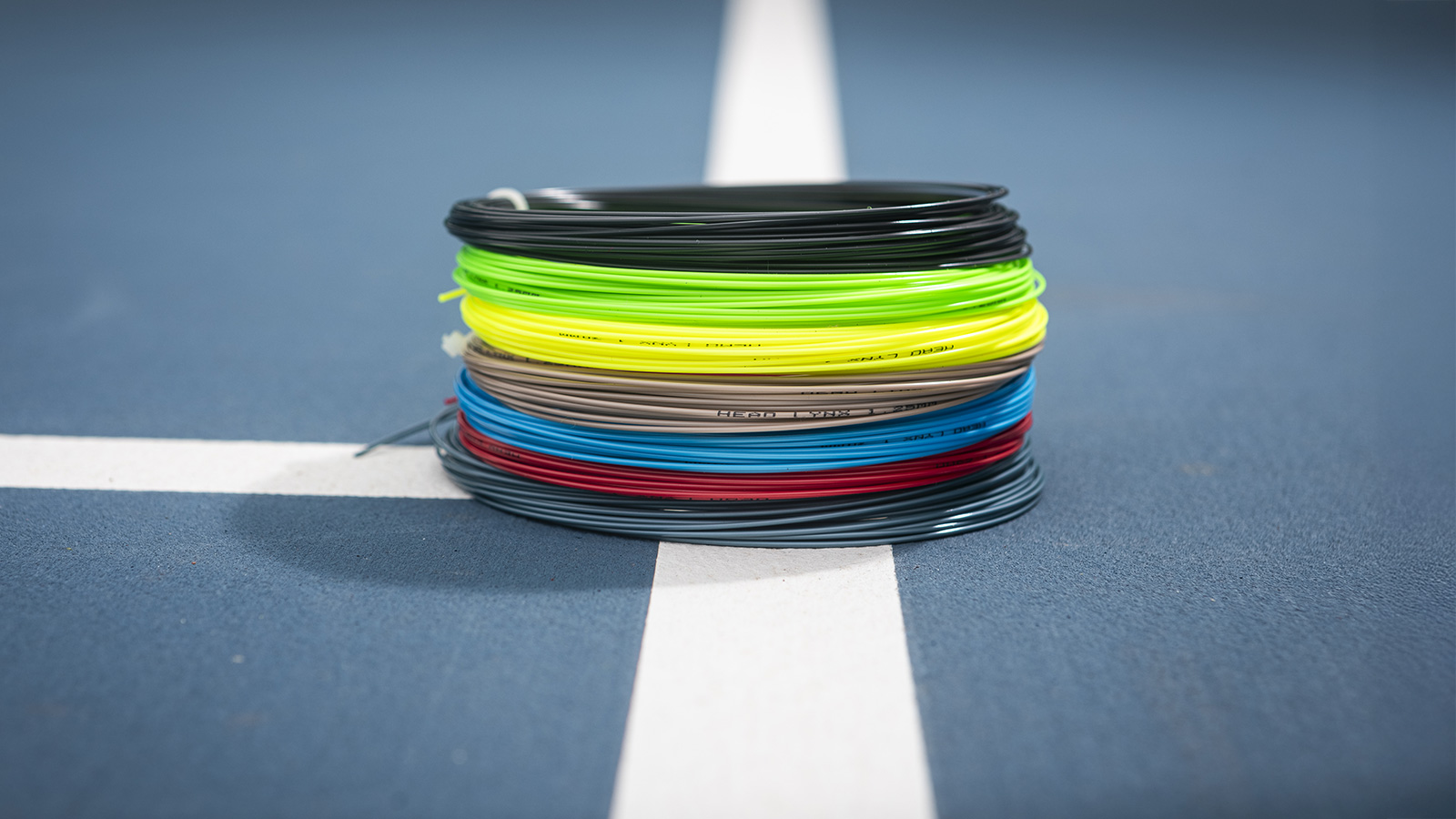
Once you've ruled out technical errors, the string should accommodate your playing style, not force you to change it. Here's how to choose the right one based on your characteristics:
-
- Monofilament: ideal if you have a strong arm, push hard, and play covered shots (topspin). It offers maximum control when accelerating.
-
- Multifilament: perfect if you are looking for sensitivity (feel), play flat shots and put comfort first to protect your joints.
-
- Hybrid: the solution for those looking for the perfect balance between the precision of the mono and the elastic thrust of the multi.
Monofilament strings

Multifilament strings
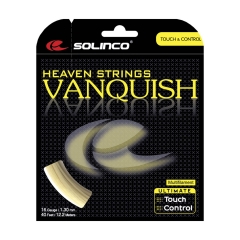
Hybrid strings
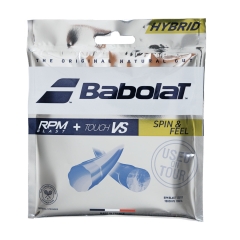
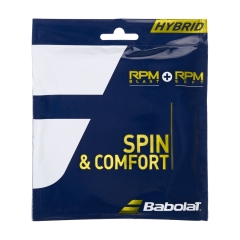
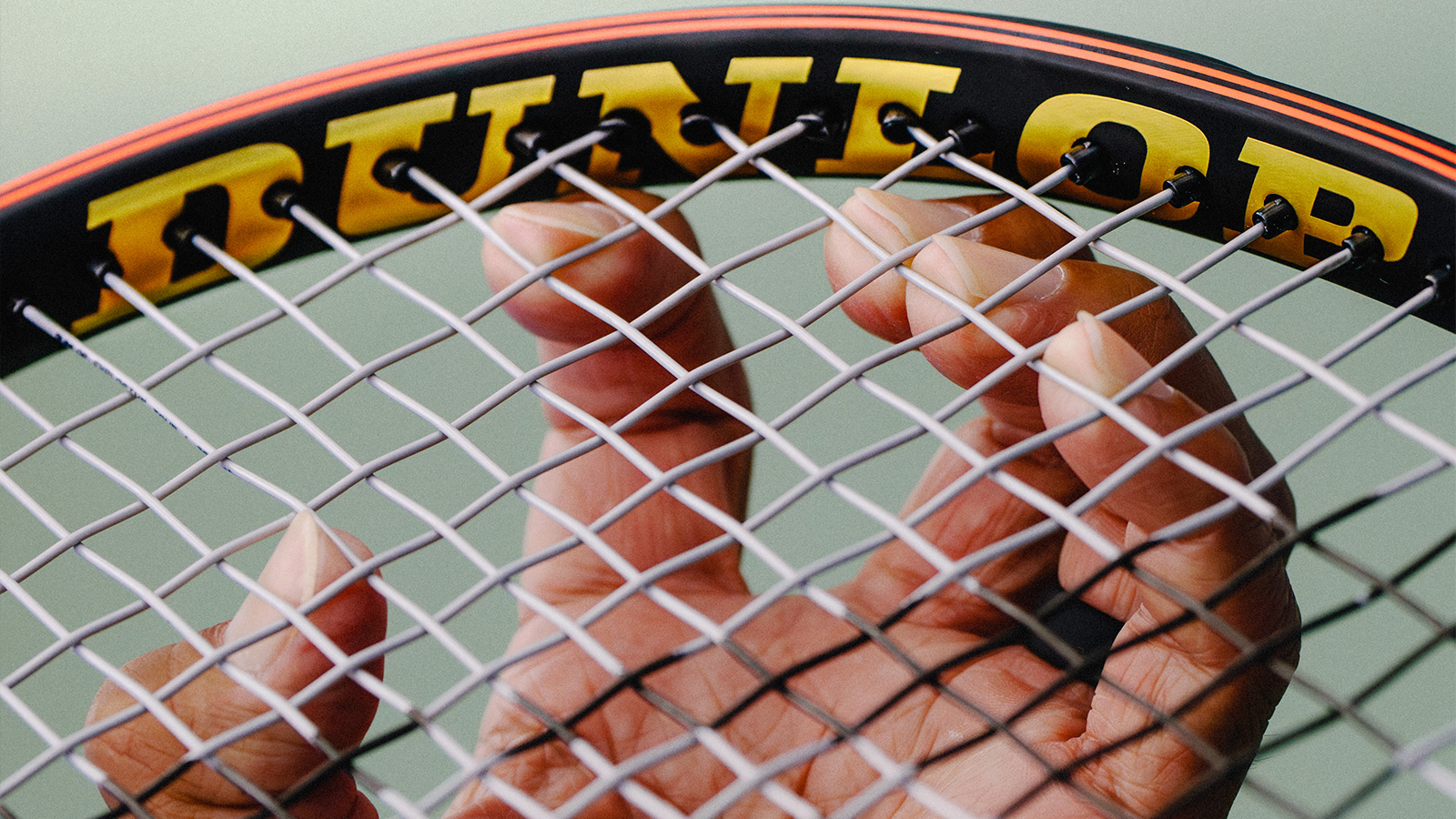
Tension: the ultimate filter
Once you've chosen the right string, tension is crucial. Analyze it like this:
-
- Tension too low: to control the ball you are forced to slow down your arm.
-
- Tension too high: To make the ball travel you have to physically force each shot.
Push test
Hit 3-4 forehands with natural push: if the ball comes out deep without any extra effort, you are in the right range. If, however, the string doesn't return any push and forces you to push too hard, the tension is too high.
Conclusion
Strings won't perfect a technically flawed shot, but they can make a difference when you already have the technique. Don't wait for them to break: replace them when they stop helping.